Scope of Works
The sphagnum planting programme was delivered through a structured sequence of works to support peatland restoration while ensuring compliance with environmental designations and site constraints.
Our team has previously delivered sphagnum planting, leaky dam installation, reprofiling works, fencing, and vegetation management within approximately three miles of the project area, providing strong familiarity with the local terrain, access conditions, and environmental sensitivities.
The site is located within the Dark Peak SSSI, and all works were undertaken in accordance with the relevant protections. SSSI consent/assent was arranged by MFFP in coordination with Yorkshire Water, and no works commenced until consent had been granted.
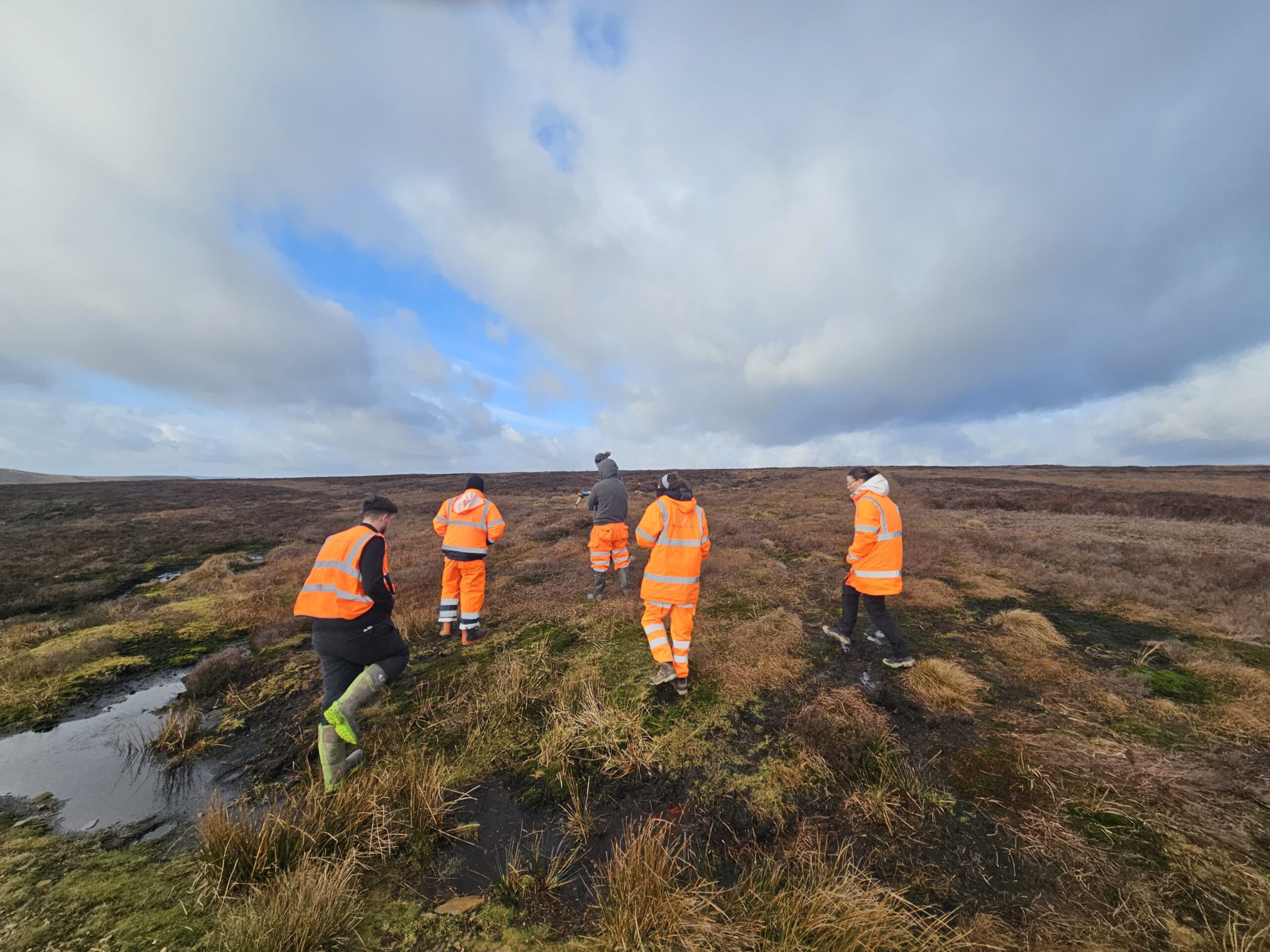
Our staff are experienced in working within protected rural environments and SSSI sites and understand the importance of best practice behaviours and site etiquette to minimise disturbance. Access routes were carefully managed, with materials transported on foot from designated 4×4 drop-off points along existing tracks and rights of way. To reduce erosion from foot traffic, teams followed established routes wherever possible and limited movement across sensitive ground.
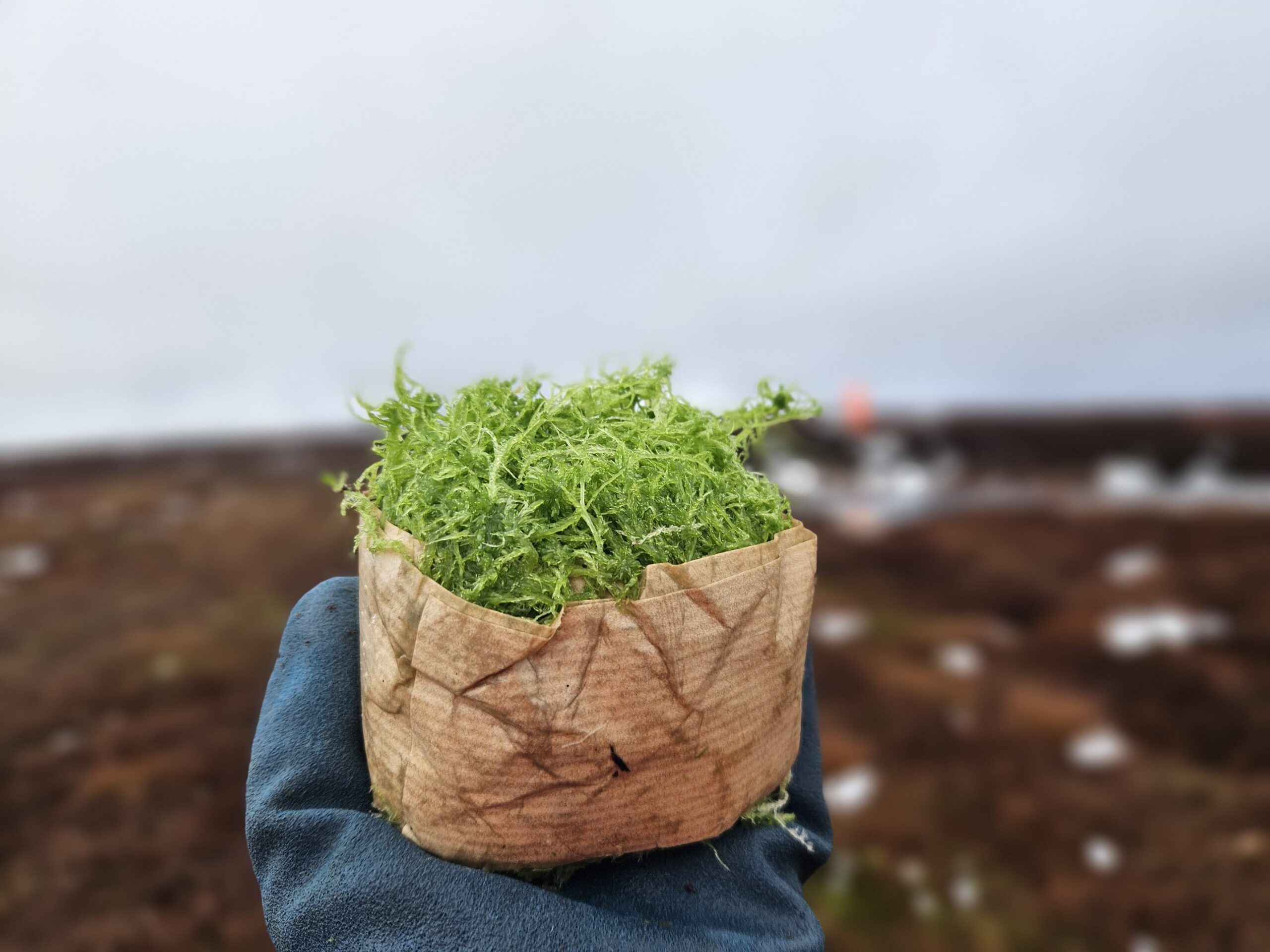
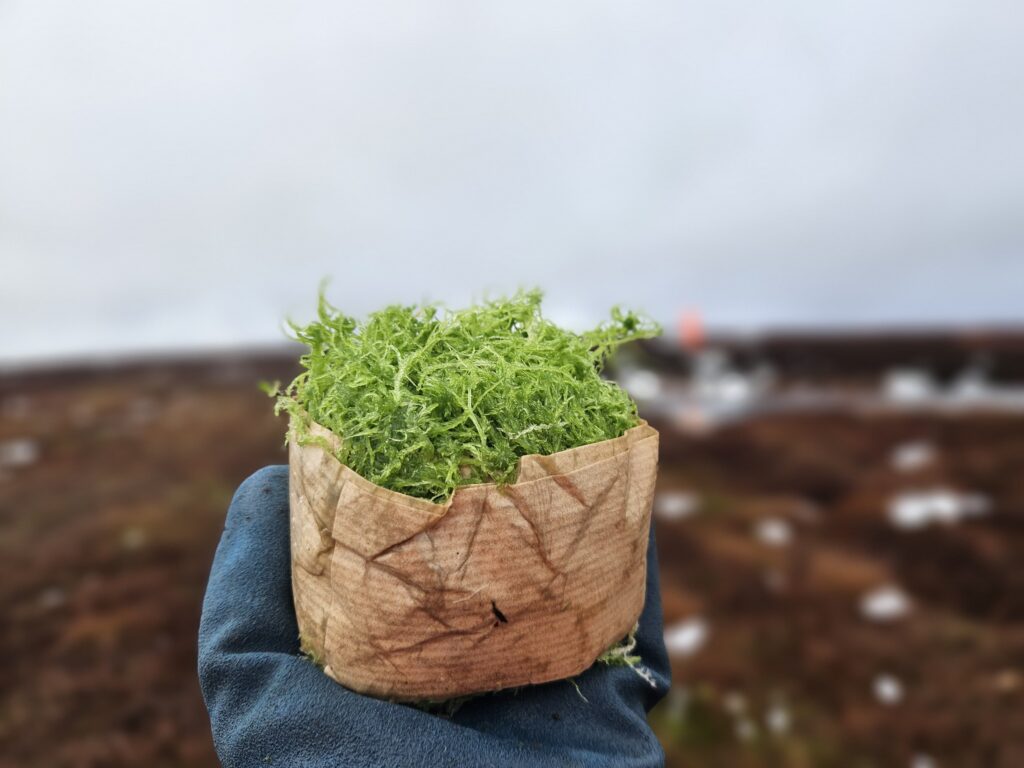
A total of 100,000 sphagnum plugs were delivered and stored in a cool, sheltered location with natural light to maintain viability. Plugs were protected from drying, freezing, and damage, and watered with rainwater where required.
Planting areas were identified through on-site micro-habitat assessment, targeting deep, soft, wet peat with low to moderate vegetation cover, such as cotton grass or natural gaps within vegetation. Areas with dry or shallow peat, dense vegetation, exposed peat pans, or flowing water were avoided.
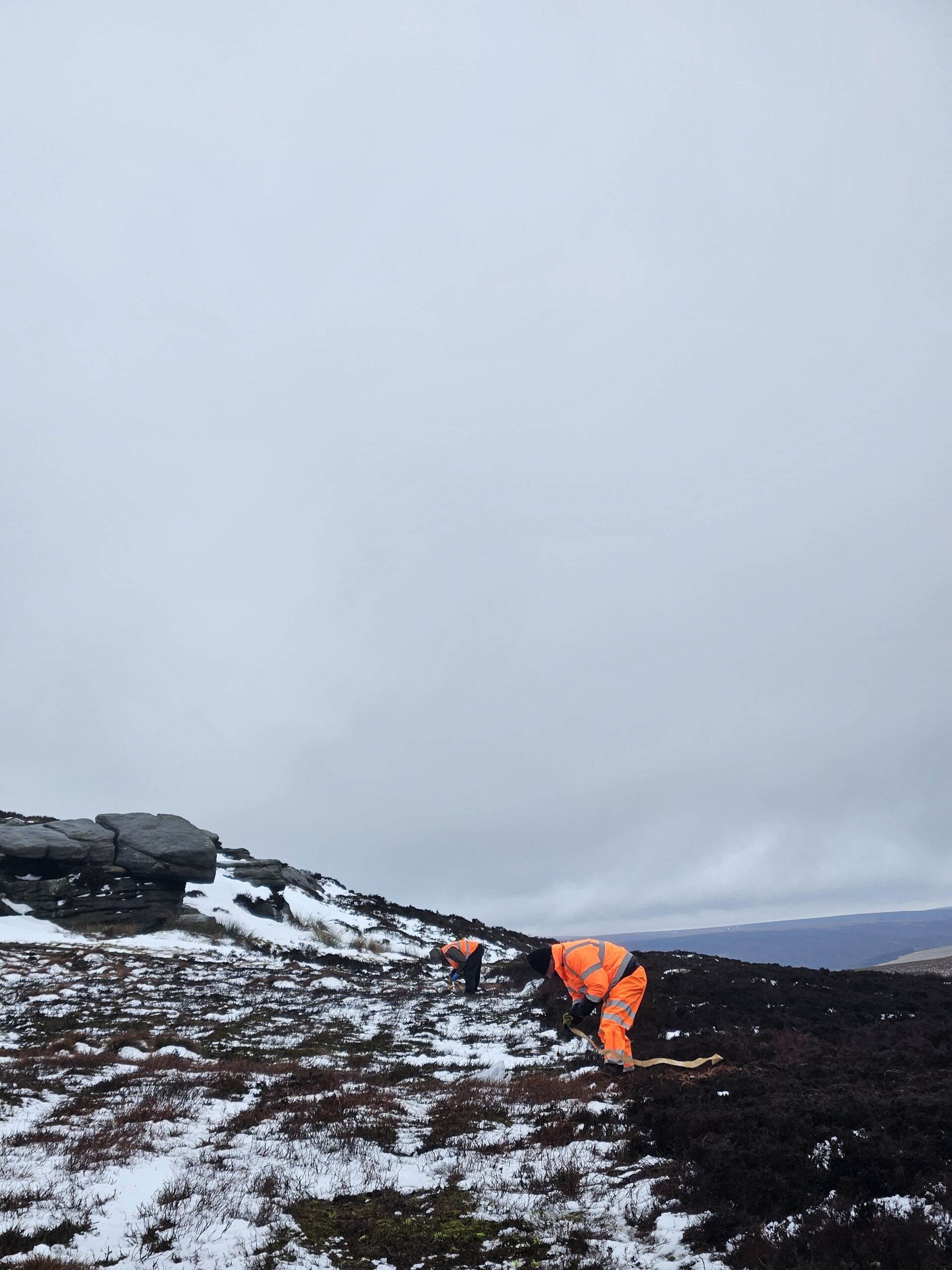
Small teams carried out the planting using hand tools, inserting plugs so that only the capitula remained visible above the peat surface and firming the surrounding peat to secure them in place. Planting was undertaken systematically to achieve a density of approximately 1,250 plugs per hectare. In pool areas, plugs were installed along the waterline while avoiding active flow channels and deeply flooded areas.
Due to the remote upland location of the planting areas and the requirement to transport materials on foot across the moor, the works required a workforce experienced in operating in challenging terrain and exposed environments. Our team has extensive experience delivering peatland restoration projects in similar conditions, including sites within the Dark Peak, and is well accustomed to long load-out distances and working across uneven and waterlogged ground.
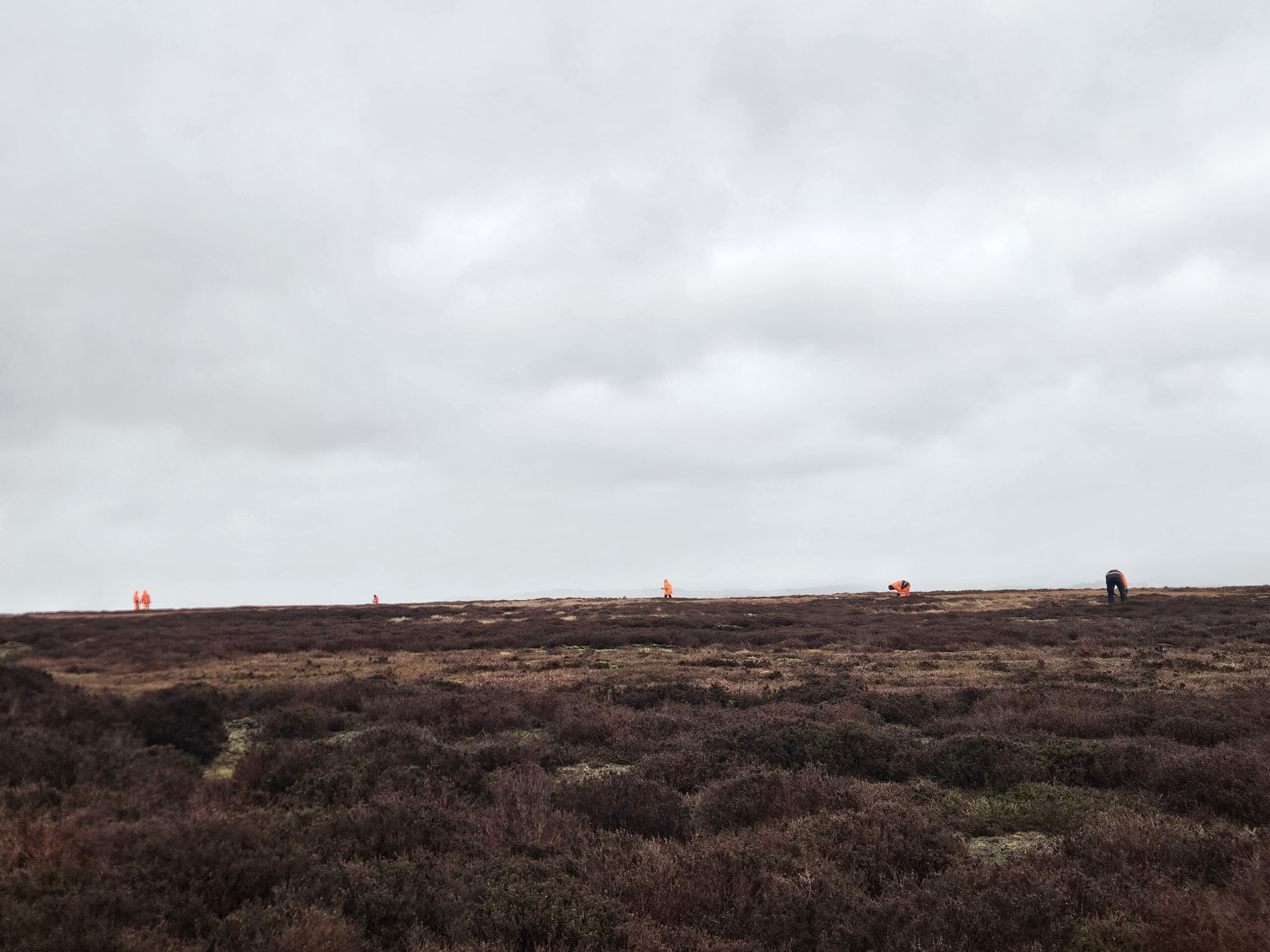
Strict team working procedures were followed throughout the planting operations to ensure safety in this remote environment. Planting teams worked within sight of each other wherever possible, wearing high-visibility clothing and maintaining communication via two-way radios. Where operational requirements required teams to spread across different planting areas, a minimum group size of two people was maintained, with each group carrying a radio and undertaking mandatory 30-minute check-ins. This ensured that no individual was ever working alone in remote or potentially hazardous conditions while the planting programme was underway.
Daily site management ensured all materials and waste were removed, livestock security was maintained, and exclusion zones around scheduled monuments were respected.
The works were completed once the target of 100,000 plugs across approximately 80 hectares had been achieved. Planting records and mapping were provided to MFFP, and final quality checks confirmed successful completion of the project.