Scope of Works
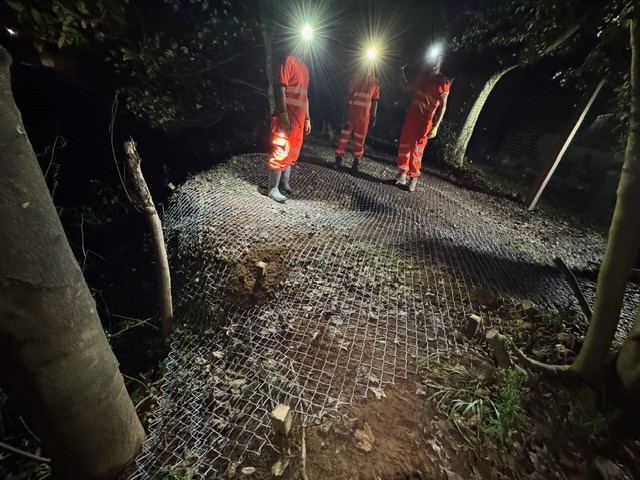
The sett closure was undertaken under a licence issued by Natural England, in line with the Protection of Badgers Act 1992. Closure was carefully timed to avoid the breeding season, ensuring that no cubs were harmed and all actions were fully legal and humane.
Ecologists assessed the sett type, occupancy, and surrounding habitats before works began. Surveys confirmed activity and identified connections to nearby habitats along the cemetery and railway embankment, informing the closure method and mitigation measures.
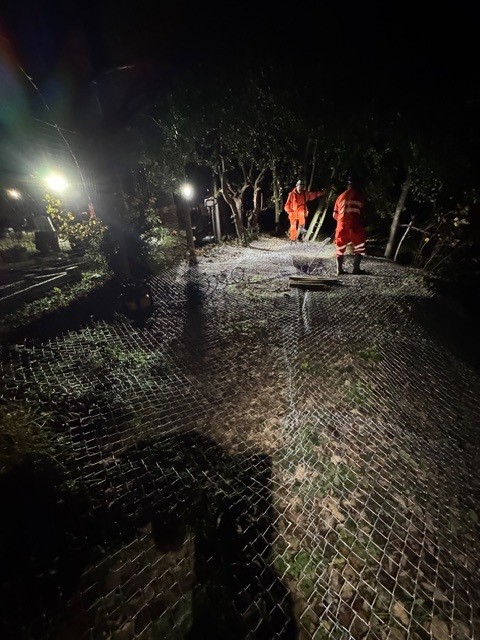
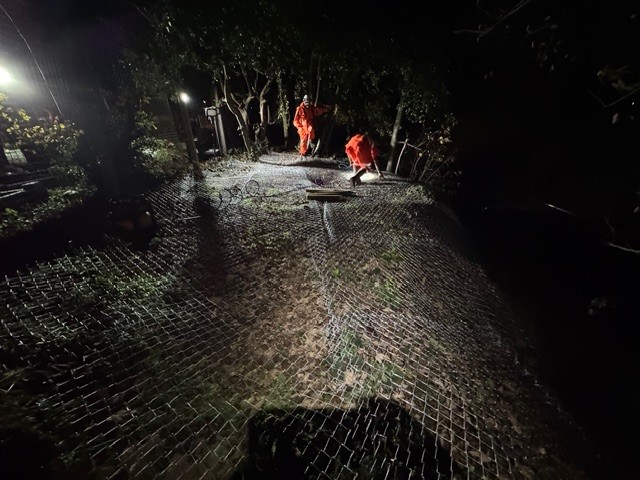
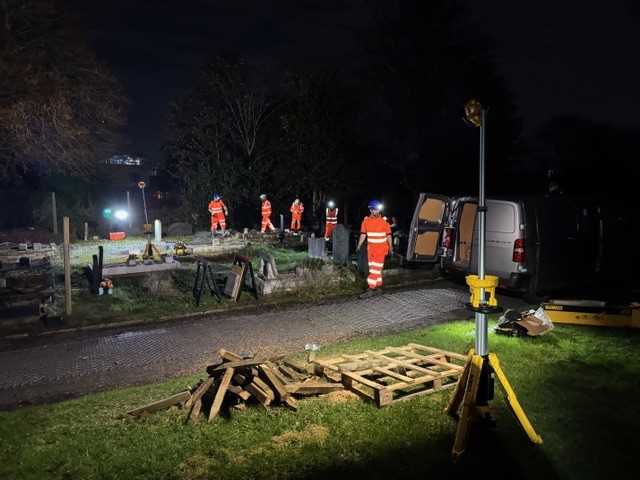
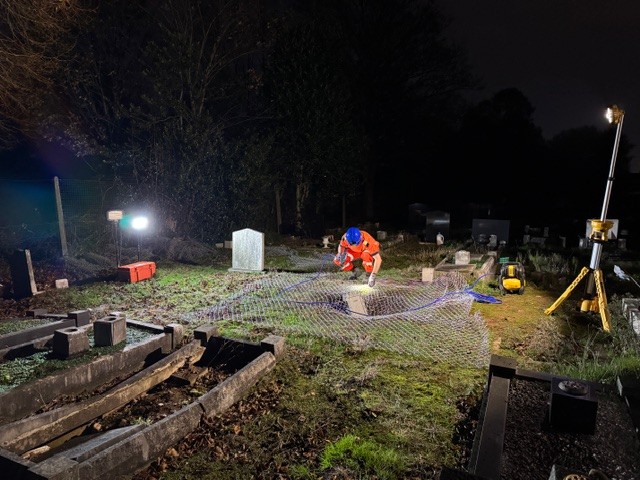
Work was completed at night, coordinated to respect cemetery visitors and memorials, and measures were implemented to protect the public from operational machinery. Close liaison with the railway operator ensured safe access, exclusion zones, high-visibility signage, and restricted working times near the tracks.
Humane one-way gates were installed at sett entrances, allowing badgers to leave naturally before the sett was closed. Alternative habitats were created nearby to compensate for the loss of the original sett. Tunnels were backfilled gradually, and surface features retained where possible to maintain ecological value. Post-closure monitoring confirmed the badgers had vacated and did not attempt to return.
Cemetery management, local councils, and railway operators were kept informed throughout the project. Temporary signage on site explained the works and highlighted safety precautions.
All spoil and excavated material was carefully managed to prevent contamination of sensitive areas, and biosecurity measures were applied to minimize the risk of disease transmission.
Through this careful, licensed approach, the project successfully closed the sett while safeguarding local wildlife, ensuring public safety, and maintaining habitat connectivity.