Case Study

RSPB – Langford Lowlands Reedbed Translocation

Image credit: Simon Blant

In 2025, Habitat Works were appointed by the RSPB to undertake reed translocation works at Langford Lowfields, supplementing the pond creation work we’ve completed for them at this site over the last few years. 

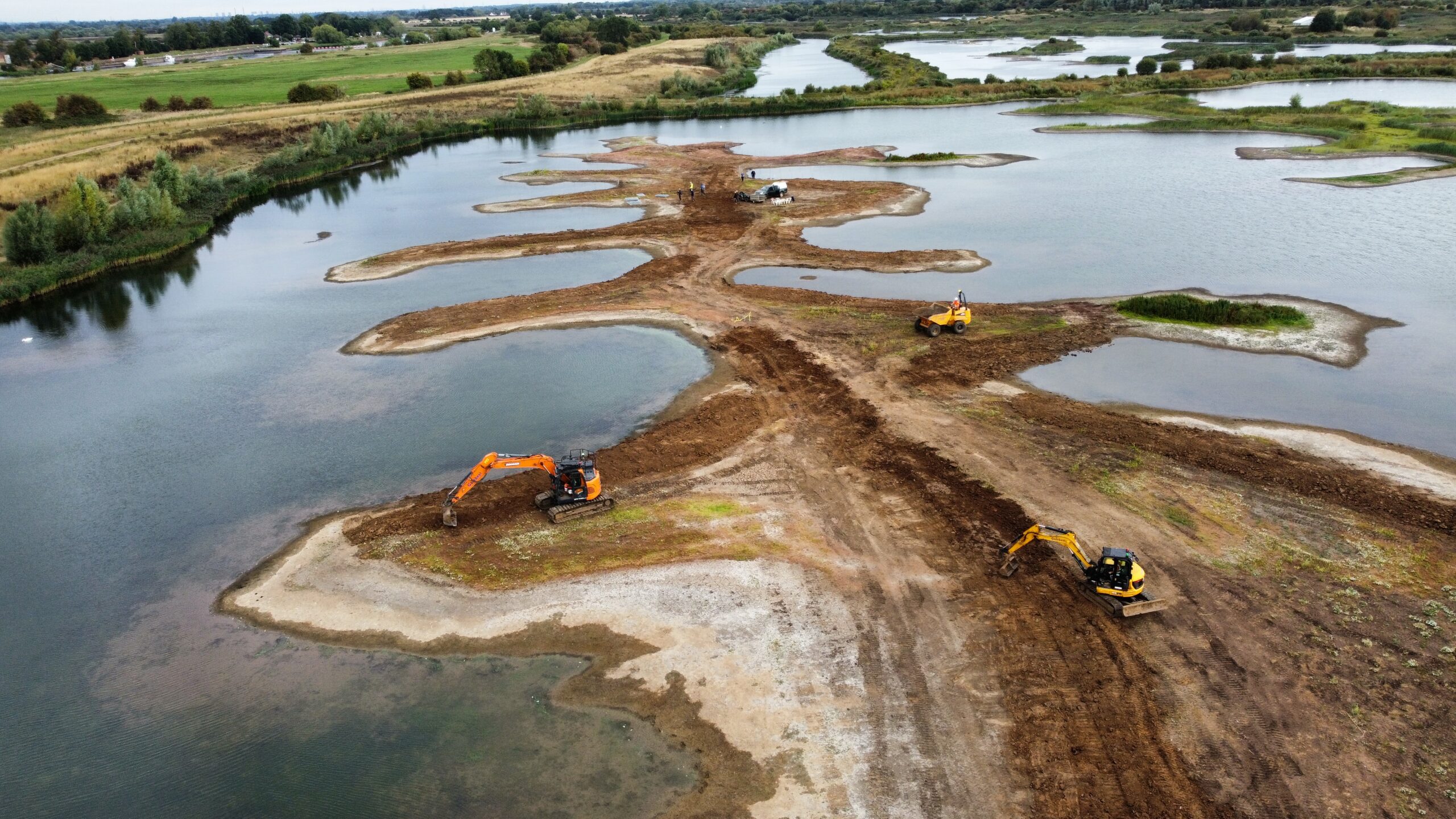
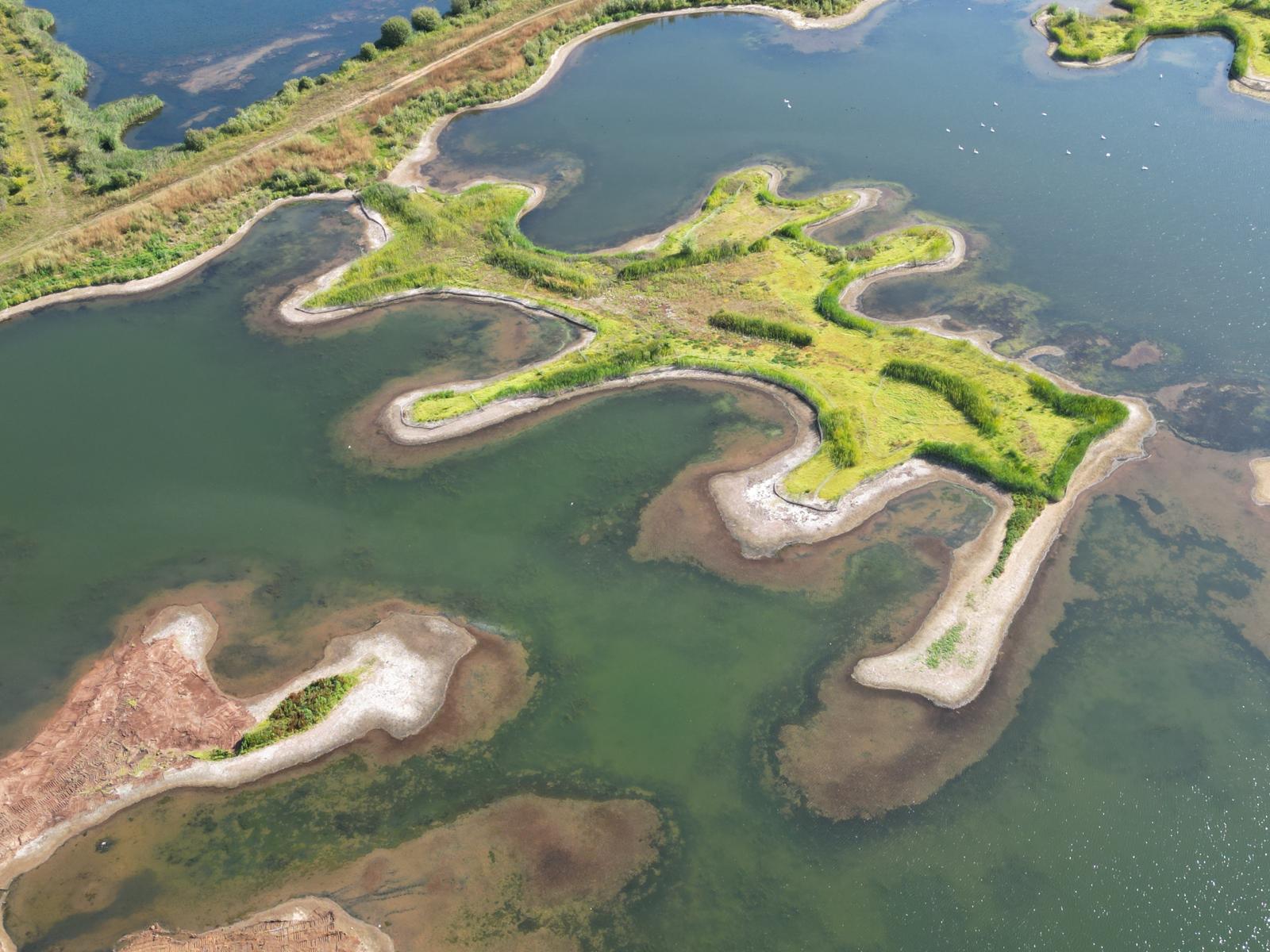
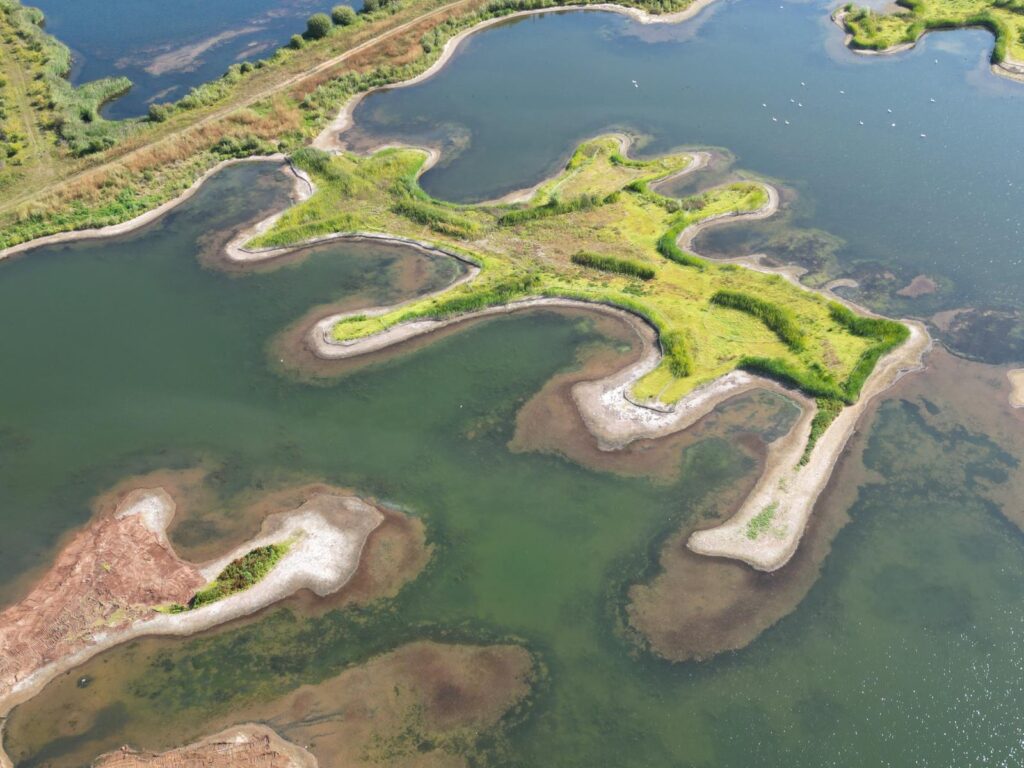
Situated northeast of Newark, the 120-hectare reserve, once a sand and gravel quarry, now stands as the largest reedbed in the East Midlands, supporting an impressive diversity of wildlife. The reserve is a thriving wildlife haven home to booming Bitterns, Avocets, Marsh Harriers and much more. Inland reedbeds like Langford’s are vital as sea level rise threatens coastal equivalents. Restoration design included “finger-shaped” reed edges, open water, and island features to attract key species. 

Through delivering this reedbed translocation project for the RSPB, the following was achieved;   

  • Successful translocation and establishment of reedbeds across multiple compartments. 
  • The creation of scrapes and bunds to retain water and diversify habitat structure. 
  • Improved hydrological function through ditch reprofiling and bund shaping. 
  • Culvert, weir and bank stabilisation piles installed to facilitate managing water levels. 
  • Creation of 1.1ha of new reedbed habitat through translocation.
  • Enhancing one of the East Midlands’ largest reedbed reserves.
  • Supporting key species including bittern, avocet and marsh harrier.
  • Integrated water management through scrapes, bunds and control structures.
  • Delivering long-term biodiversity gains in partnership with the RSPB.

Scope of Works

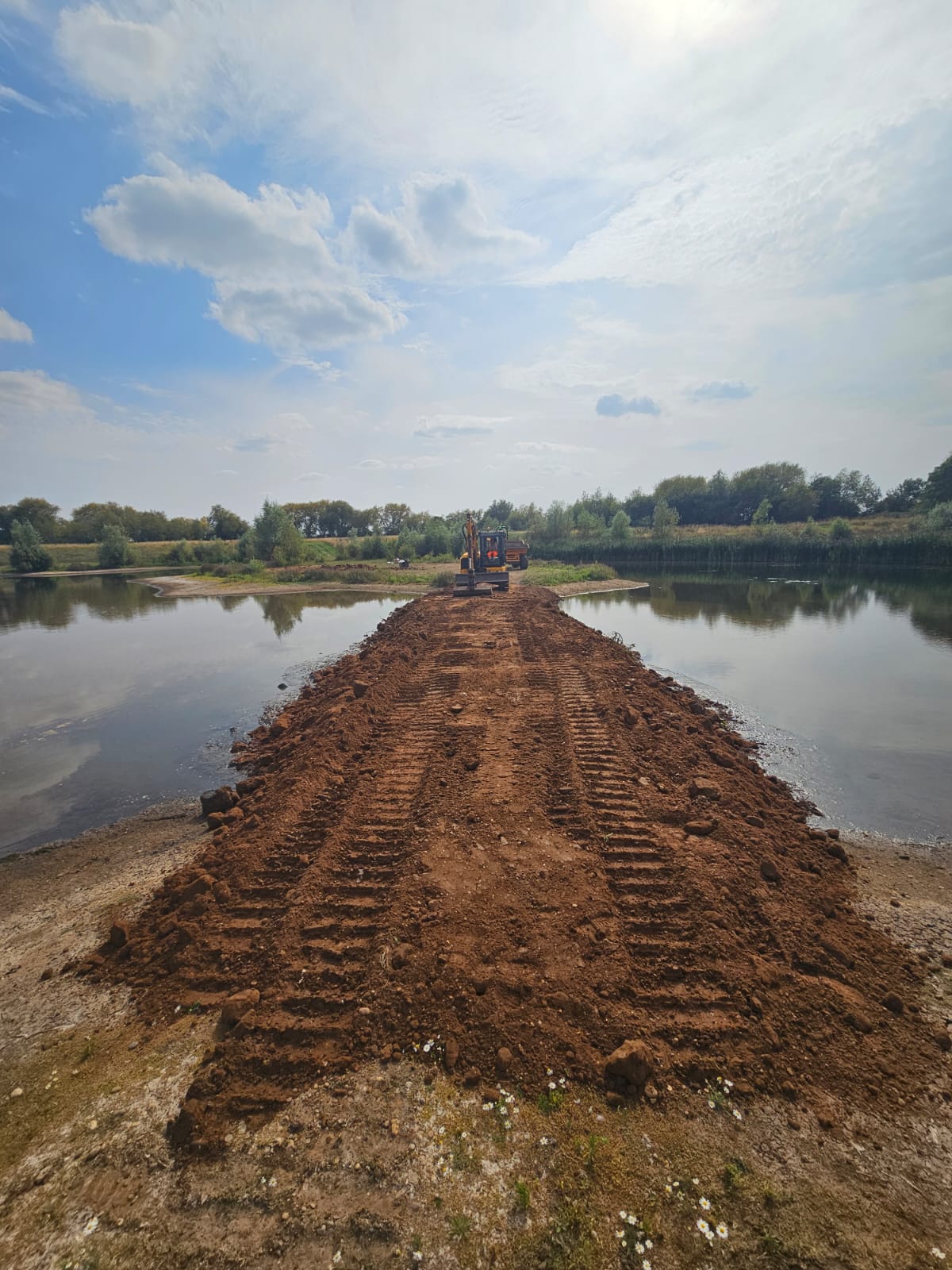
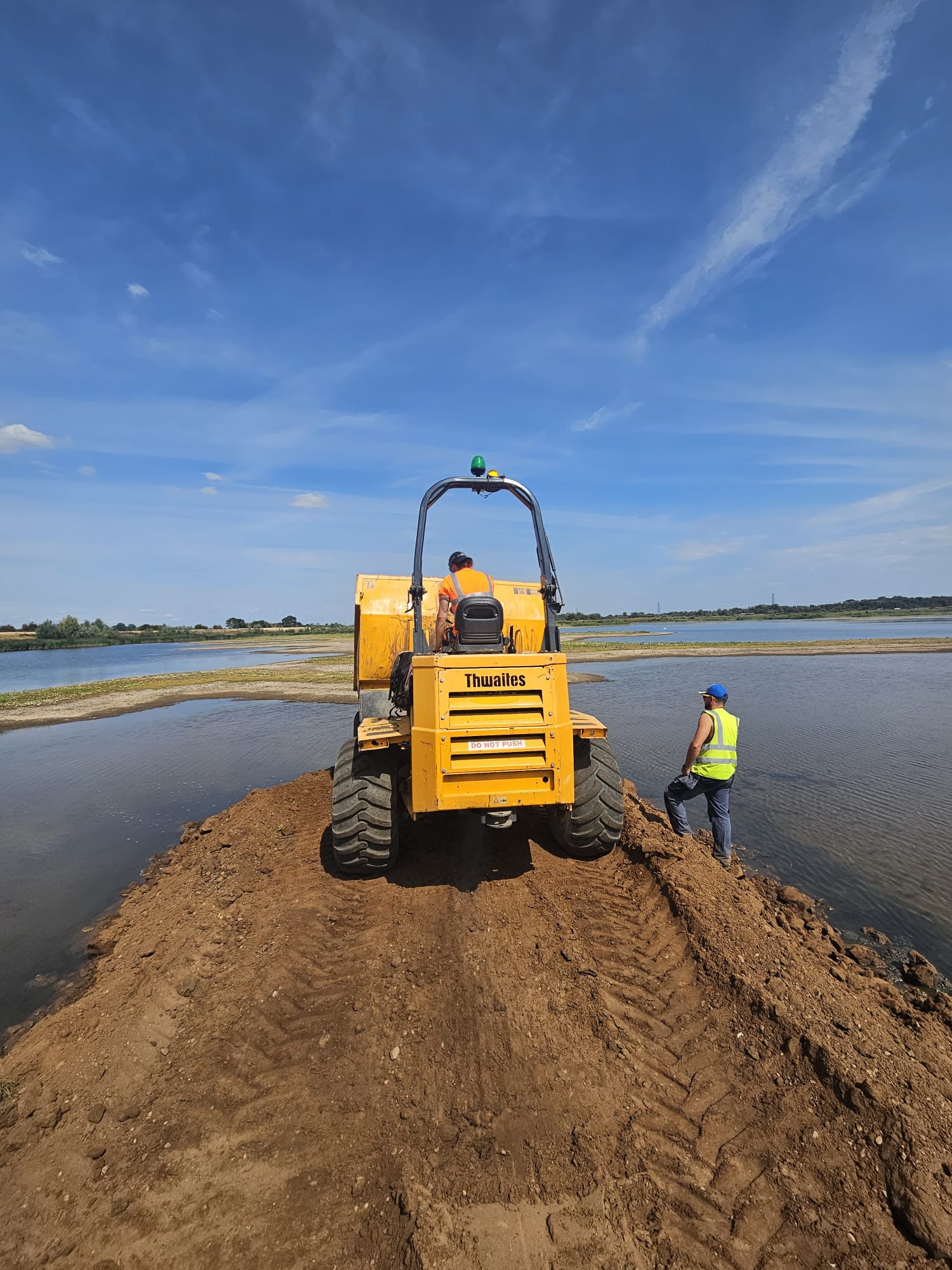
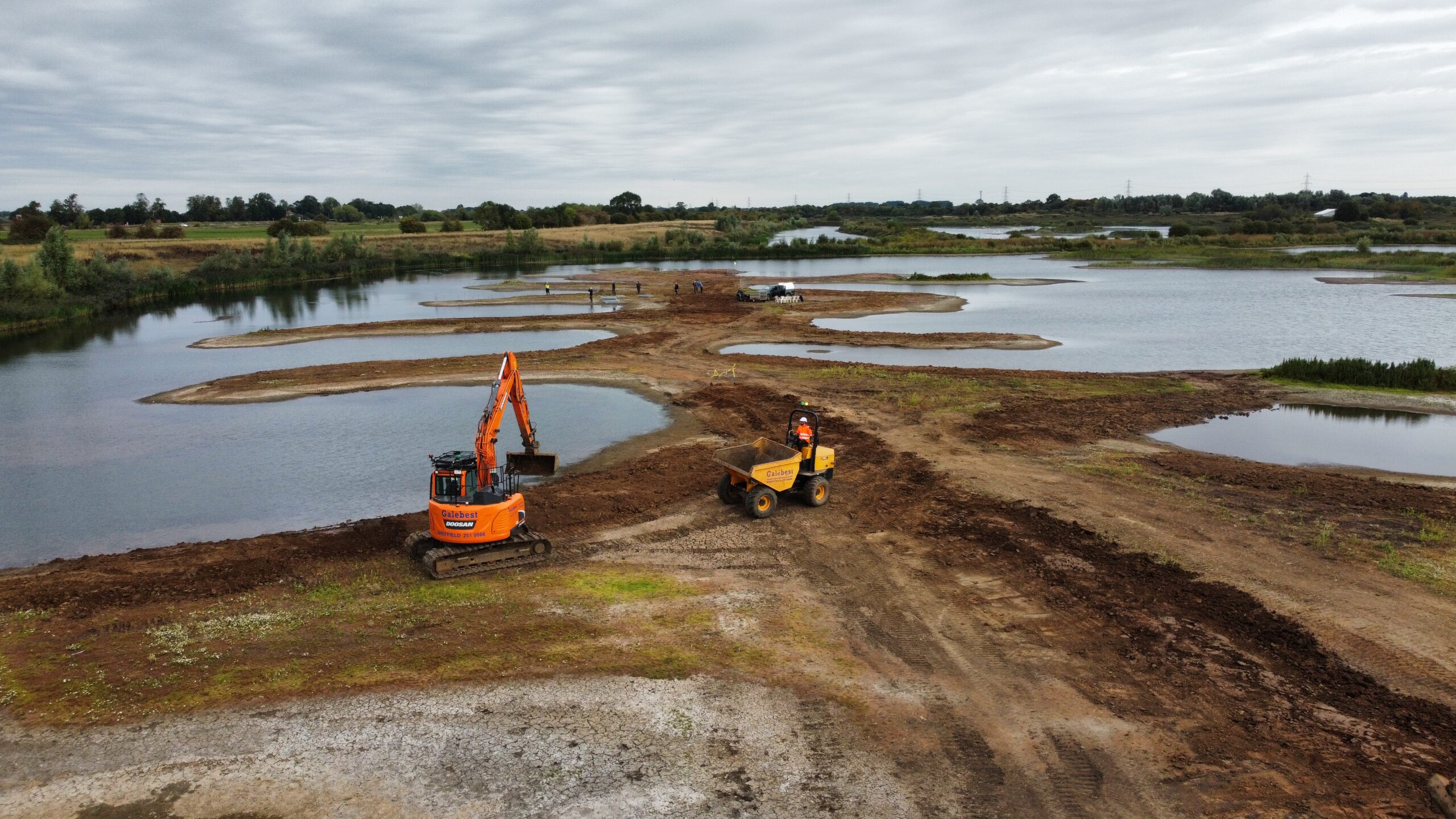
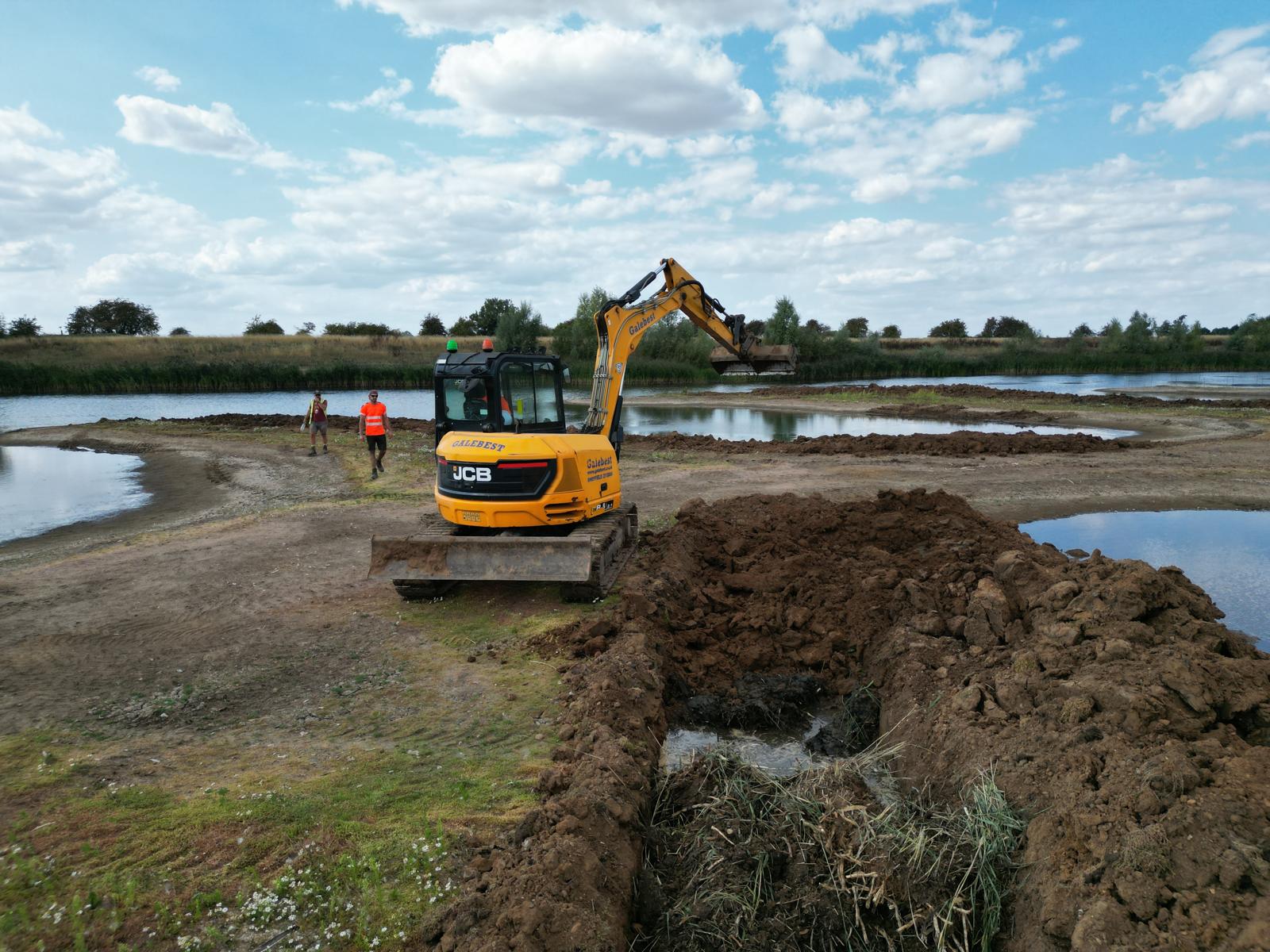
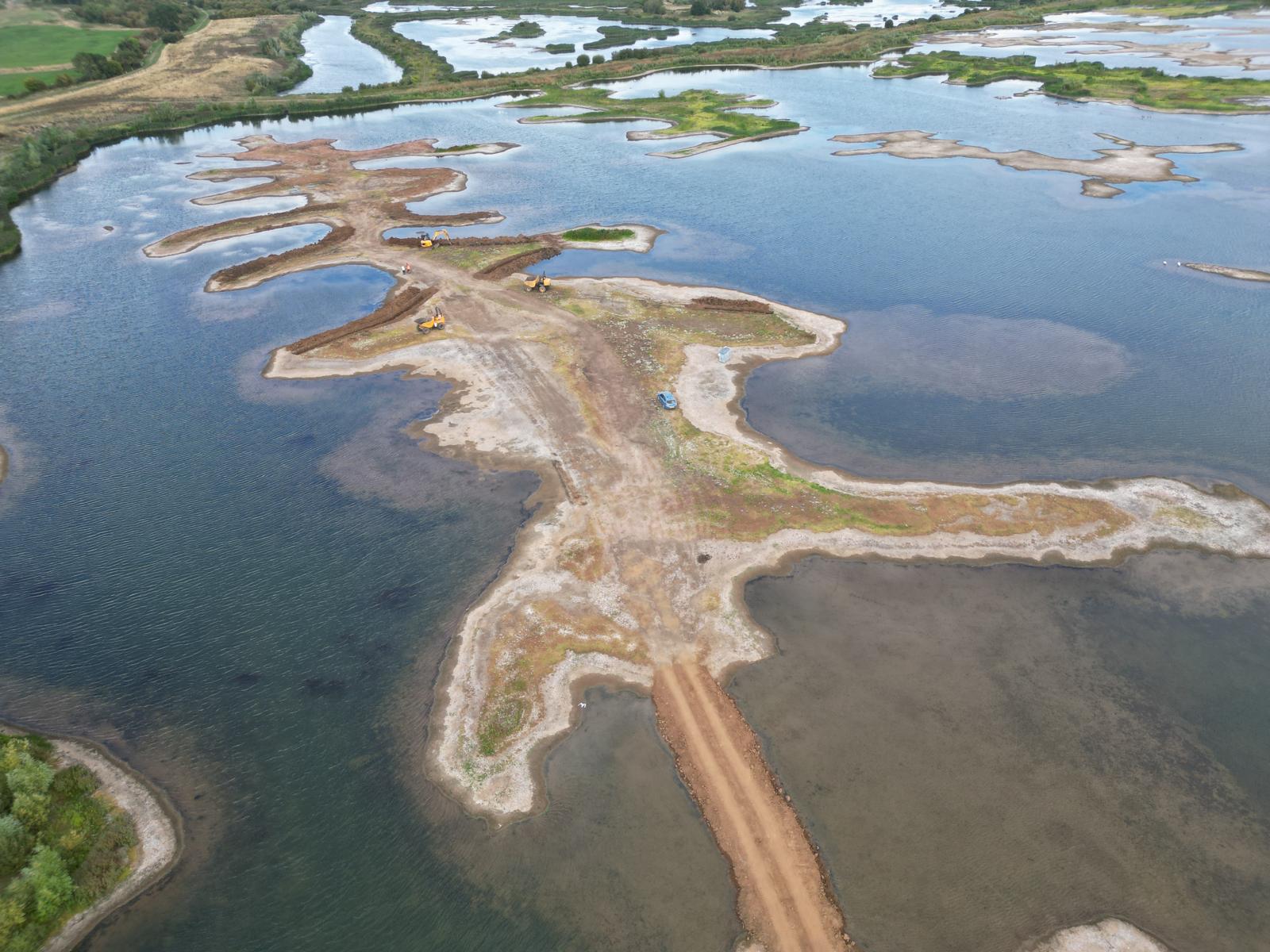
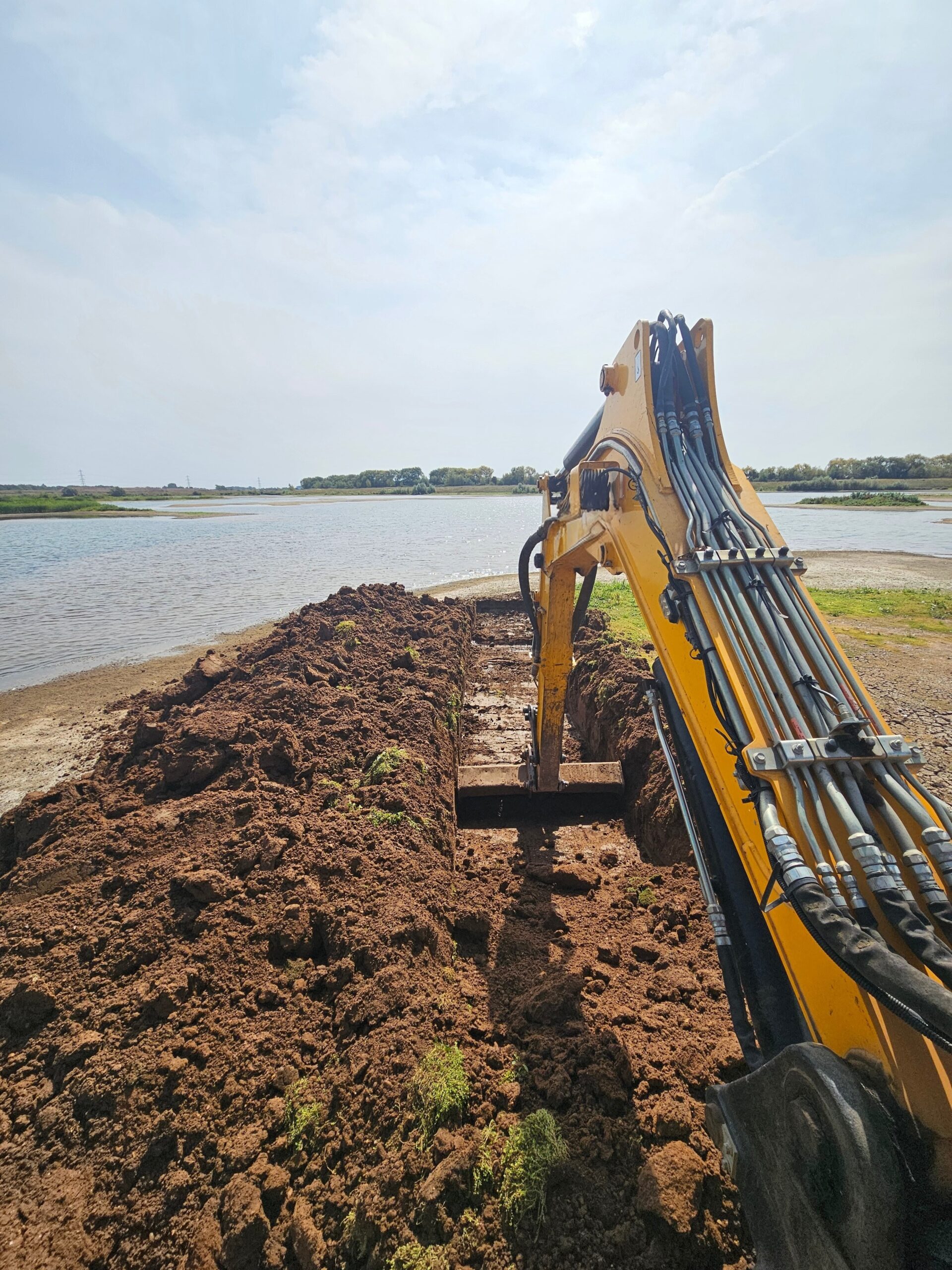
Habitat Works were required to excavate reed plants from several sources across the vast reserve, transport and re-plant them onto a large island to seed and create a new 1.1ha area of important reedbed habitat.  As part of the works, we had to create a temporary causeway to access the island, prepare the island for receiving the reeds and we also created an additional wildlife pond and foraging area for wading birds.  

Prior to undertaking the translocation works a site walkover was undertaken to assess the stability of bank edges and the best sequence of working locations in respect to access and ground conditions.   

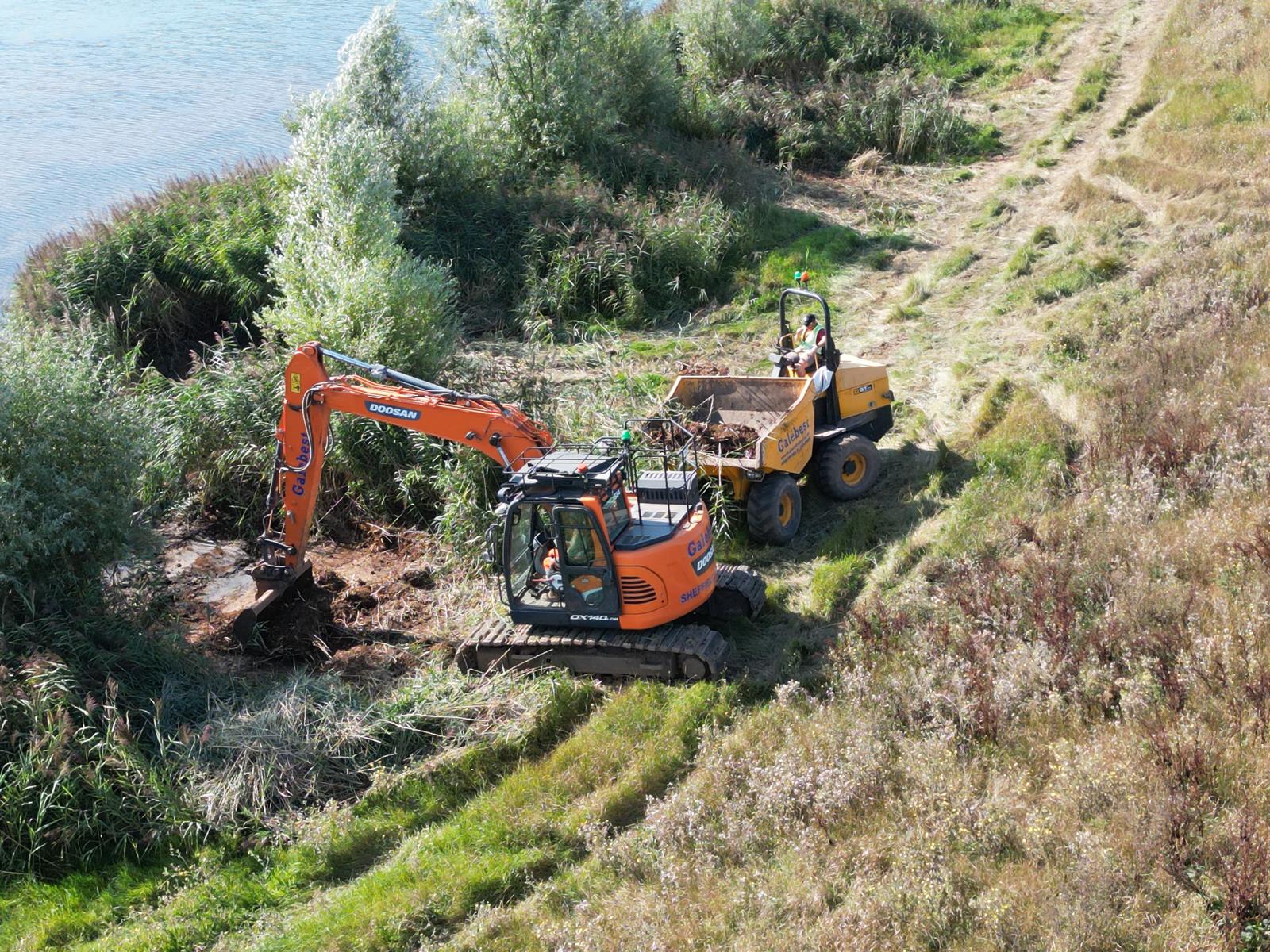
Removal of reed was undertaken using an excavator sitting on bankside with tracks parallel to watercourse and as far back from the bank edge as possible.  All material removed from the lake margins within the reserve were placed into a dumper for translocation to the receptor site.  At the receptor site, reeds were dropped to the ground by the dumper and then placed in pre-dug trenches using an excavator. The reeds were covered by a thin layer of substrate to secure them in place.  This increased the area of common reed across the reserve for the benefit of wading birds. 

Works required sensitive handling of soils and hydrology to establish waterretaining features and diverse wetland mosaics. 

Following delivery of this project, the reserve staff and volunteers worked hard to install fencing around the island to protect the newly emerging shoots from being grazed.